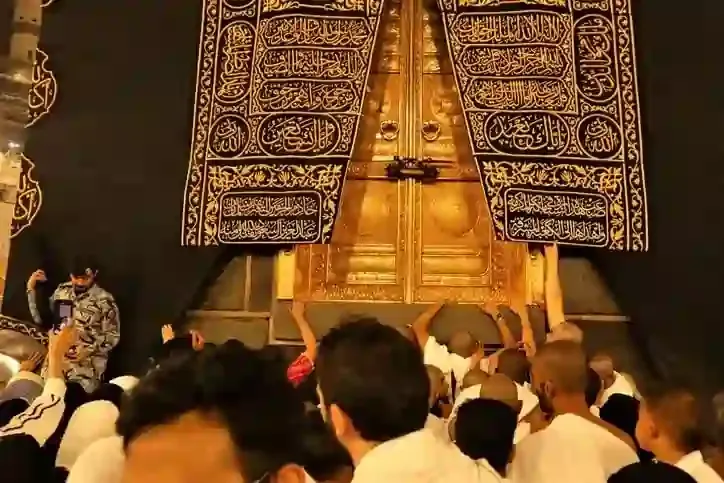
Saudi Arabia opens digital portal for foreign property ownership, signaling a new era of investment competitiveness.
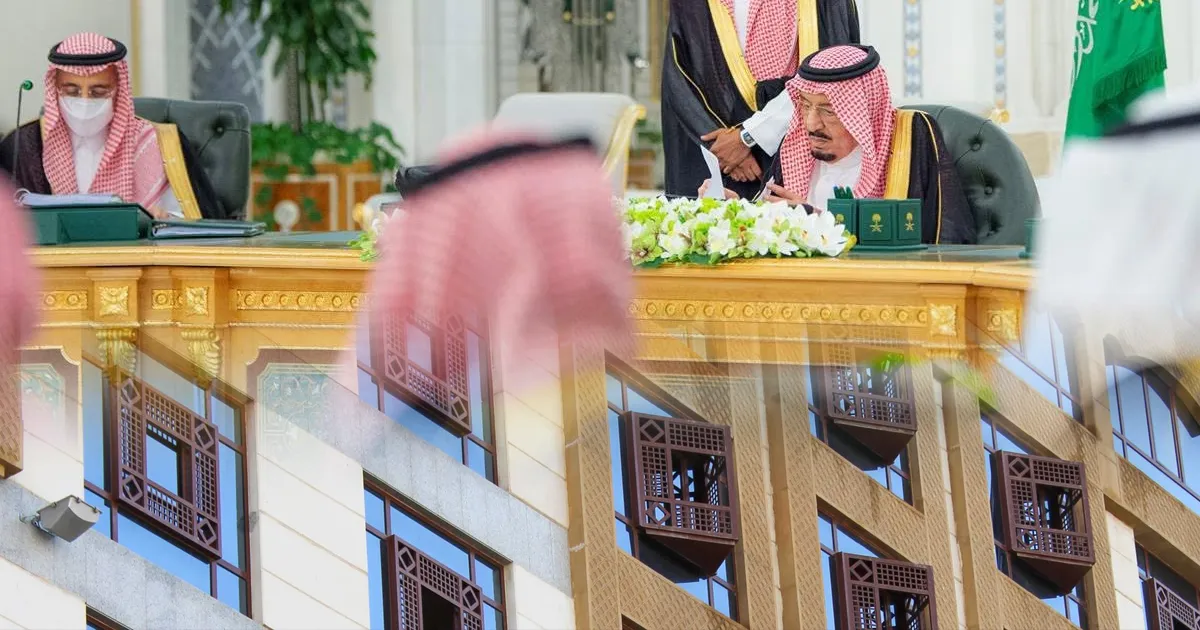
RIYADH: In a move set to redefine the Saudi Arabia’s real estate landscape and accelerate the goals of Vision 2030, the Saudi Cabinet, chaired by Custodian of the Two Holy Mosques King Salman bin Abdulaziz, has officially approved new regulations governing non-Saudi ownership of real estate of KSA.
This landmark decision, finalized on June 23, 2026, was immediately followed by the launch of the “Saudi Properties” portal, a centralized digital platform designed to streamline the acquisition process for international investors, residents, and global companies.
The new framework represents a strategic shift from the previous regulations established in 2000, which long restricted foreign ownership, particularly in the holy cities of Makkah and Madinah.
By digitizing the application process and defining specific geographical zones for investment, Saudi Arabia is positioning itself as a premier global hub for capital, combining economic scale with profound cultural significance.
A catalyst for business expansion and global talent
Supporting this sentiment, Investment Minister Fahd bin Abduljalil Al-Seif emphasized that the Cabinet’s approval provides a clearer framework for foreign firms to establish headquarters and commit to long-term investments. He noted that the new rules offer “regulatory certainty” by defining clear ownership boundaries, property rights, and pathways for use. This transparency is expected to support growth across multiple sectors, including infrastructure, services, technology, and regional supply chains.
Government officials have hailed the regulations as a cornerstone of the Saudi Arab’s broader economic transformation. Commerce Minister Majid Al-Qasabi characterized the issuance of these regulations as a “strong catalyst for companies to expand their businesses,” noting that the move would enhance Saudi Arabia’s global competitiveness while serving as a key enabler for attracting high-level international talent.
The scale of the opportunity is significant. Saudi Arabia’s real estate sector, valued at approximately 77 billion in 2025, is projected to nearly double to 141.6 billion by 2034, growing at a compound annual rate of 6.73 percent.
The “Saudi Properties” Portal: A digital gateway
At the heart of this reform is the Saudi Properties portal (saudiproperties.rega.gov.sa), managed by the Real Estate General Authority (REGA). The portal serves as the official and sole channel for foreign real estate applications, offering a suite of digital services that include:
- Verification of eligibility requirements.
- Viewing approved real estate opportunities.
- Submitting and tracking ownership applications online.
- Automated digital processing for residents using their Iqama numbers.
For investors located outside the Saudi Arab, the process begins with obtaining a digital identity card from a Saudi embassy or consulate before submitting their online application. Non-Saudi companies without a current presence in the KSA are required to register through the Invest Saudi platform managed by the Ministry of Investment.
Historical shift in Makkah and Madinah
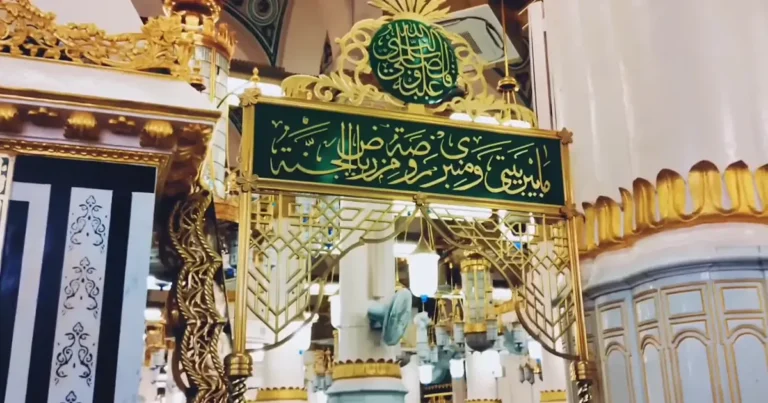
One of the most significant aspects of the new regulation is the opening of freehold ownership for Muslims in designated zones within Makkah and Madinah. For generations, foreign Muslims were limited to renting property in the holy cities, but the new law now allows individual Muslims from any country to own property outright.
Oliver Morgan, partner and real estate leader at Deloitte Middle East, told Arab News that these opportunities would be “particularly appealing to the global Muslim community,” driving demand for high-quality residential assets in prime locations. However, strict regulations remain in place. Non-Muslims are categorically prohibited from entering or owning property within the holy cities.
For non-Muslim entities seeking exposure to these markets, the only legal routes involve Saudi-incorporated companies with foreign shareholders or shares in listed real estate firms, both of which require specific licensing.
In Makkah, approved ownership zones include:
- Jabal Omar, Abraj Makkah, and Al-Manar
- Burj Ajyad, King Salman Gate, and Tilal Village
- Dhakhir Makkah, Dahiyat Sumou, Masar, and Makkah Zones 1 and 2
In Madinah, the approved zones cover:
- Ruaa Al-Madinah, Downtown Madinah, and Diyar Al-Maqar
- Al-Ghurra, Al-Mahwa, and Darat Al-Hijra
- Knowledge Economic City, Mishraf, and Madinah Zones 1 and 2
Experts advise caution, noting that while the law has been approved, investors should wait for the official publication of zone maps by REGA to ensure their chosen property falls within the permitted boundaries.
Also read: How Saudi Arabia Turned Hajj Into a National Systems Machine
Strategic zones and Giga-projects
Beyond the holy cities, the regulations encompass major metropolitan areas and the Saudi Arab’s ambitious giga-projects. In Riyadh, ownership is permitted in high-profile districts such as Qiddiya, New Murabba, the King Abdullah Financial District (KAFD), and Diriyah Gate. Other approved areas include King Salman Park, Sidra, and the Sports Boulevard and Arts District.
In Jeddah, the approved zones include the city center and development zones 1 through 55 across the governorate, while AlUla includes zones 1 through 17.
The regulations also extend to Saudi Arabia’s flagship giga-projects, including NEOM, Amaala, and the Red Sea project, as well as special economic zones in Jazan, Ras Al-Khair, and King Abdullah Economic City. This inclusion ensures that foreign capital can play a direct role in the most technologically advanced and environmentally ambitious developments in the region.
The Premium Residency pathway
For many international buyers, the primary draw is the Real Estate Owner Premium Residency. Under this program, purchasing a residential property valued at SAR 4,000,000 (approximately $1.06 million) or more qualifies the owner for a self-sponsored residency.
To qualify, the property must be:
- Residential and fully built (not off-plan)
- Mortgage-free, purchased entirely in cash
- Formally valued by approved authorities
This residency is tied to property ownership, allowing the holder and their family (spouse and children up to age 25) to reside in the KSA and travel freely. If the property is sold, the owner has 90 days to acquire a replacement of equivalent value to maintain their status.
Market dynamics and financial considerations
The liberalization of ownership is expected to boost residential demand significantly. Deloitte estimates that between 250,000 and 300,000 residential units are expected to be delivered across the Kingdom by 2030 to meet this rising interest.
Manar Mahmassani, co-founder and co-CEO of Stake Properties, noted that investors are already targeting zones with “solid long-term fundamentals” in Riyadh and Jeddah. He highlighted that early movers might benefit from lower entry points, though he cautioned that the arrival of foreign demand will likely move prices upward in concentrated areas.
Potential buyers must also be aware of the total transaction costs, which are higher for non-Saudis. Real-world estimates suggest budgeting 10 to 15 percent above the purchase price to cover:
- Real Estate Transaction Tax (RETT): 5%
- Additional foreign transfer fee: Up to 5% (levied by REGA)
- Broker commissions: 2.5% plus VAT
- Legal and registration fees: Approximately 1-2%
Looking ahead: A global destination
The benefits of ownership liberalization have been demonstrated globally in markets like the UAE, Malaysia, and Turkey. By following a similar path, Saudi Arabia is not only diversifying its demand pool but also creating a more transparent and structured investment environment.
As the Saudi Arab targets over 30 million Umrah pilgrims annually by 2030, the convergence of tourism, spiritual significance, and economic liberalization is creating what Mahmassani calls a “rare opportunity” in a market with genuine fundamentals. With the Saudi Properties portal now live, the gates are officially open for the world to participate in the KSA’s historic growth.
|
City |
Approved Zone/Project Name |
Eligible Buyer Profile |
Ownership Type |
Transaction Fees & Costs |
Premium Residency Requirements |
|---|---|---|---|---|---|
|
Makkah |
Designated geographical zones (REGA maps pending); Jabal Omar, Abraj Makkah, Al-Manar, Burj Ajyad, King Salman Gate, Tilal Village, Dhakhir Makkah, Dahiyat Sumou, Masar, Makkah Zones 1 and 2 |
Muslim foreign individuals (residents or non-residents), Saudi companies, and the Global Muslim community |
Individual ownership, freehold, and real rights including leasehold up to 99 years; defined ownership boundaries and pathways for use |
10–15% total: includes 5% Real Estate Transaction Tax (RETT), up to 5% additional foreign transfer fee (REGA levy), 2.5% broker commission (plus 15% VAT on commission), SAR 2,000–5,000 valuation fee, 1–2% legal fees, and SAR 230 Najes transfer fee. |
Residential property worth SAR 4,000,000 or more; must be fully built, mortgage-free (unencumbered), and fully paid in cash. |
|
Madinah |
Rua Al Madinah (PIF mega project), Al-Ghurra, Madinah Zones 1 and 2, Al-Mahwa, Darat Al-Hijra, Downtown Madinah, Diyar Al-Maqar, Knowledge Economic City, Mishraf; other zones pending official maps |
Muslim foreign individuals (residents or non-residents), Saudi companies, and the Global Muslim community |
Individual ownership, freehold, and real rights including leasehold up to 99 years; defined ownership boundaries and pathways for use |
10–15% total: includes 5% Real Estate Transaction Tax (RETT), up to 5% additional foreign transfer fee (REGA levy), 2.5% broker commission (plus 15% VAT on commission), SAR 2,000–5,000 valuation fee, 1–2% legal fees, and SAR 230 Najes transfer fee. |
Residential property worth SAR 4,000,000 or more; must be fully built, mortgage-free (unencumbered), and fully paid in cash. |
|
Riyadh |
Designated geographical zones (Royal Decree M/14); Qiddiya, New Murabba, Sports Boulevard, Arts District, Diriyah Gate, King Salman Park, Sidra, King Abdullah Financial District, King Salman International Airport, Transit-Oriented Development site |
Non-Saudi individuals (General), residents, companies, and global investors |
Full ownership, long-term investment framework, and real rights including leasehold up to 99 years |
10–15% total: includes 5% Real Estate Transaction Tax (RETT), up to 5% additional foreign transfer fee (REGA levy), 2.5% broker commission (plus 15% VAT on commission), SAR 2,000–5,000 valuation fee, 1–2% legal fees, and SAR 230 Najes transfer fee. |
Residential property worth SAR 4,000,000 or more; must be mortgage-free (unencumbered) and fully paid. |
|
Jeddah |
Designated geographical zones (Royal Decree M/14); City Center and development zones 1 through 55 across the governorate |
Non-Saudi individuals (General), residents, companies, and global investors |
Full ownership, long-term investment framework, and real rights including leasehold up to 99 years |
10–15% total: includes 5% Real Estate Transaction Tax (RETT), up to 5% additional foreign transfer fee (REGA levy), 2.5% broker commission (plus 15% VAT on commission), SAR 2,000–5,000 valuation fee, 1–2% legal fees, and SAR 230 Najes transfer fee. |
Residential property worth SAR 4,000,000 or more; must be mortgage-free (unencumbered) and fully paid. |
|
AlUla |
Designated geographical zones (Royal Decree M/14); Zones 1 through 17 |
Non-Saudi individuals (General), residents, companies, and global investors |
Full ownership, long-term investment framework, and real rights including leasehold up to 99 years |
10–15% total: includes 5% Real Estate Transaction Tax (RETT), up to 5% additional foreign transfer fee (REGA levy), 2.5% broker commission (plus 15% VAT on commission), SAR 2,000–5,000 valuation fee, 1–2% legal fees, and SAR 230 Najes transfer fee. |
Residential property worth SAR 4,000,000 or more; must be mortgage-free (unencumbered) and fully paid. |
|
Various (Giga-Projects / SEZ) |
Neom, Amaala, Red Sea Project, Jazan SEZ, Ras Al-Khair SEZ, King Abdullah Economic City |
Non-Saudi individuals, foreigners, and global investors |
Full ownership, Special Economic Zone (SEZ) framework, and long-term investment framework |
Estimated RETT at 5% plus additional foreign transfer fees (Costs in SAR). |
Property valuation of SAR 4,000,000 required for Real Estate Owner Premium Residency (Inferred). |