Kaaba’s Annual Ghusl Ceremony Set for 15 Muharram 1448 AH (30 June 2026)
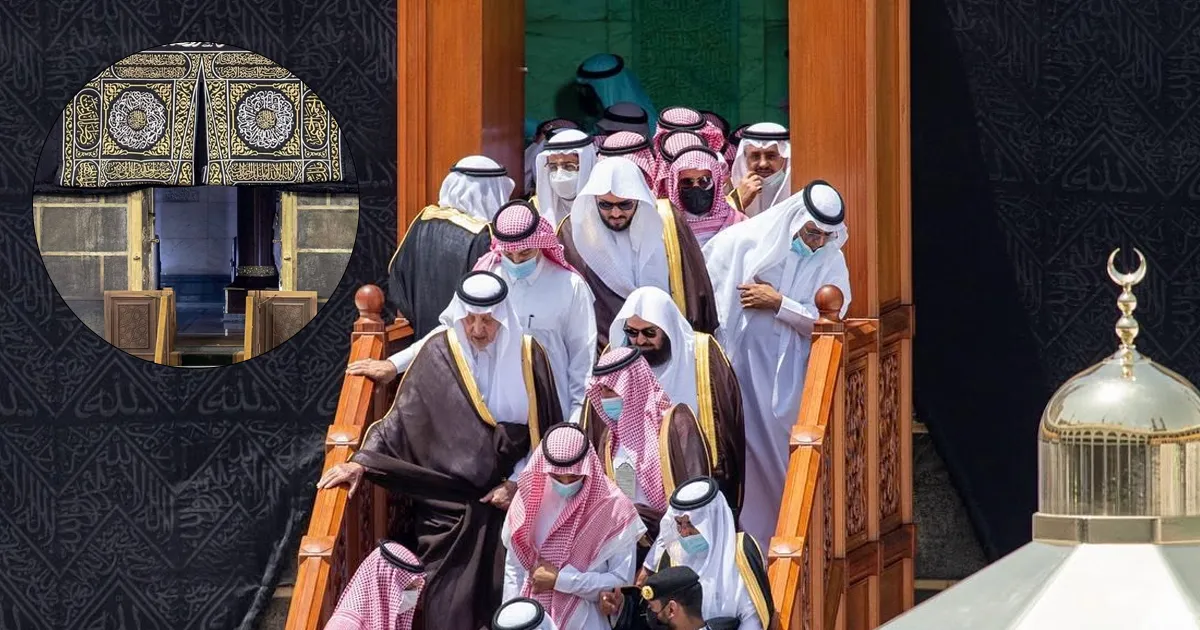
The interior of Kaabah will be washed with Zamzam water, Taif rose water, and oud in a tradition tracing back to the Prophet Muhammad ﷺ.
Saudi Arabia has announced that the Annual Ghusl Ceremony, the ceremonial washing of the interior of the Holy Kaaba, will take place on Monday, 30 June 2026, corresponding to the 15th of Muharram, 1448 AH. The ritual will begin after the Fajr prayer, continuing a practice that dates back to the time of the Prophet Muhammad (peace be upon him).
Governor of Makkah or his Deputy, is expected to lead the ceremony on behalf of King Salman, presiding over the washing of the Kaaba’s inner walls and marble floor. Joining him will be senior government officials, imams, religious scholars, and ambassadors representing Muslim nations from around the world, a deliberate tradition intended to symbolize the unity of the global Muslim community.
A Ritual Rooted in Prophetic Tradition
The origins of the Ghusl Kaaba reach back to the lifetime of the Prophet Muhammad ﷺ, who is reported to have performed this cleansing twice annually, once in the month of Muharram, following the Hajj season, and again in Sha’ban, in the weeks before Ramadan. That dual-occasion rhythm continues today, making the upcoming 30 June ceremony one of two held each year.
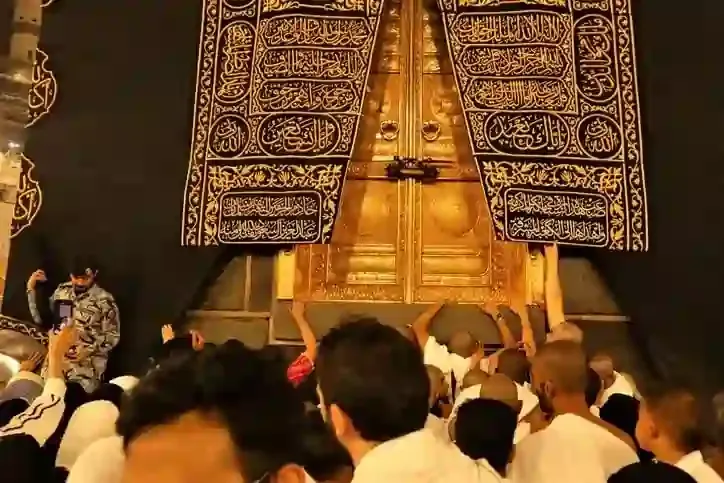
Preparations begin the evening before. On the night preceding the ceremony, the door curtain of the Kaaba is raised following Isha prayers, and the Kiswah, the embroidered cloth covering the structure, is partially lifted near the entrance to allow access inside. The fragrant mixture used for washing is prepared that same evening, combining Zamzam water with Taif rose water, oud oil, and musk.
The Cleansing Process
According to detailed accounts from multiple sources, the washing uses precisely measured quantities: 40 litres of Zamzam water stored in two silver vessels, combined with 540 ml of Taif rose water, 24 ml of premium Taif rose oil, 24 ml of sanctuary oud oil, and 3 ml of musk. Taif roses, hand-picked in the mountains south of Makkah, are a long-established source of the rose water used in the ceremony.
The mixture is splashed across the interior walls of the Kaaba, which are then dried with fine white cotton cloths. The marble floor receives the same treatment. Copper incense burners are used to fumigate the interior, filling the space with fragrant smoke. A ceremonial bowl is used for mixing, and a specially designed jug handles the spraying of each implement, selected with care, given the sanctity of the task.
On the day itself, security personnel form columns around the Kaaba to manage access, with the ceremony restricted to invited dignitaries and religious figures. Upon arrival, participants perform two units of prayer known as Tahiyyatul Masjid before proceeding with the washing. After the cleansing is complete, those present perform Tawaf, circling the Kaaba seven times, then pray at Maqam Ibrahim. The ceremony concludes with participants being served Zamzam water in a bowl, in accordance with Prophetic tradition.
A Moment of Shared Reverence
Although only a small number of people are permitted inside the Kaaba during the ceremony, images and footage shared across media and social platforms each year transform the occasion into a moment of collective spiritual reflection for Muslims worldwide. For pilgrims and observers alike, the Ghusl Kaaba is a reminder of the care and devotion with which the holiest site in Islam is maintained. This living practice connects the present to more than fourteen centuries of tradition.