
Pakistan’s Pilgrims Complete Hajj 2026 as Nation Claims Full Hajj Quota and Four Saudi Excellence Awards
Pakistan utilized all 180,000 Hajj places this year and received multiple honors from Saudi authorities, with thousands of pilgrims now making their way to Madinah before flying home
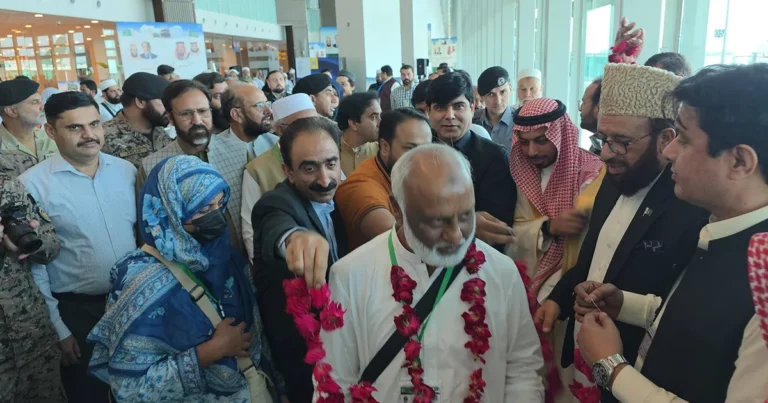
Pakistan has successfully utilized its full Hajj quota for 2026, with approximately 180,000 pilgrims completing the annual pilgrimage under both government and private schemes, Religious Affairs Minister Sardar Muhammad Yousaf announced on Thursday. The milestone was accompanied by a rare sweep of four international excellence awards from Saudi authorities, recognizing the quality of Pakistan’s pilgrim services this year.
Speaking at a press conference in Madinah, where he was overseeing the post-Hajj phase of operations, the minister said the achievement reflected months of preparation and on-the-ground coordination by Pakistani officials in the Kingdom.
Full Quota Utilized for the First Time
The government’s Hajj allocation for 2026 stood at around 119,216 pilgrims under the official scheme. An additional 60,000 pilgrims traveled through the private sector, bringing the total to approximately 180,000 Pakistan’s complete entitlement.
“By the grace of Allah, Pakistan’s quota, totaling roughly 180,000, was completely utilized,” Hajj Minister of Pakistan Yousaf said, adding that the government had worked to strengthen oversight of the private Hajj sector after concerns raised in previous years over service quality and allocation management.
Four Awards from Saudi Authorities
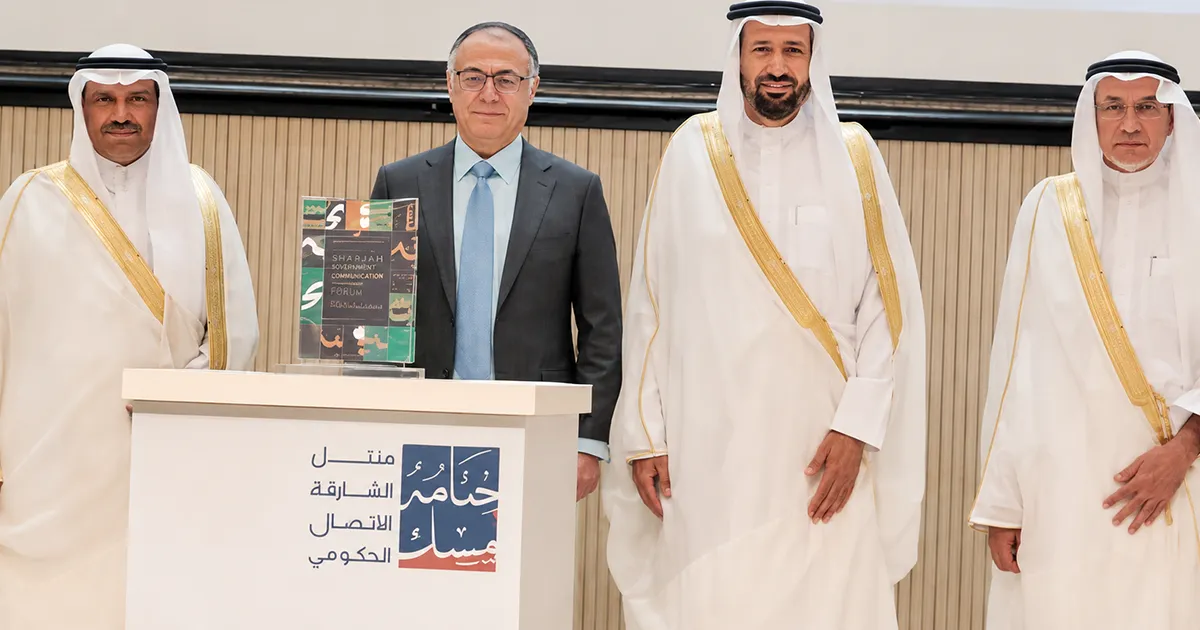
Saudi officials presented Pakistan with four excellence awards recognizing the country’s Hajj operations. These included the prestigious Labaykum Excellence Award, one of the highest honors given to participating nations, along with three additional awards for the private Hajj sector.
“It is a matter of great pride for Pakistan that it has received a total of four excellence awards this year,” the minister said, commending the teams on the ground for their work throughout the pilgrimage season.
The minister also announced that officials from the Madinah Coordination Office, led by Director Zahid Sohail, would be recognized with certificates of appreciation for their contributions.
Pre-Hajj Phase and Madinah Services
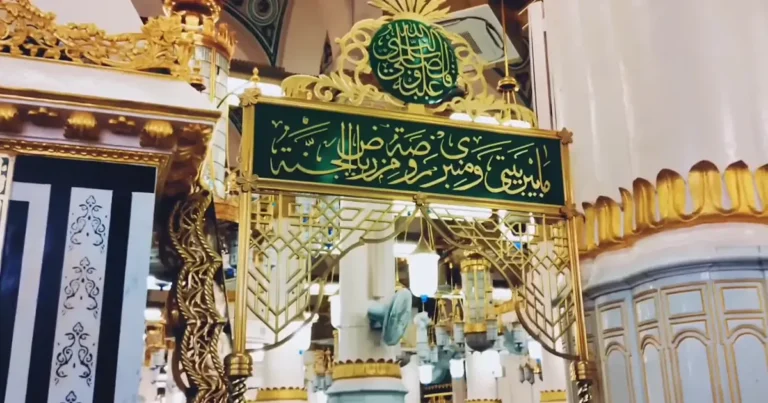
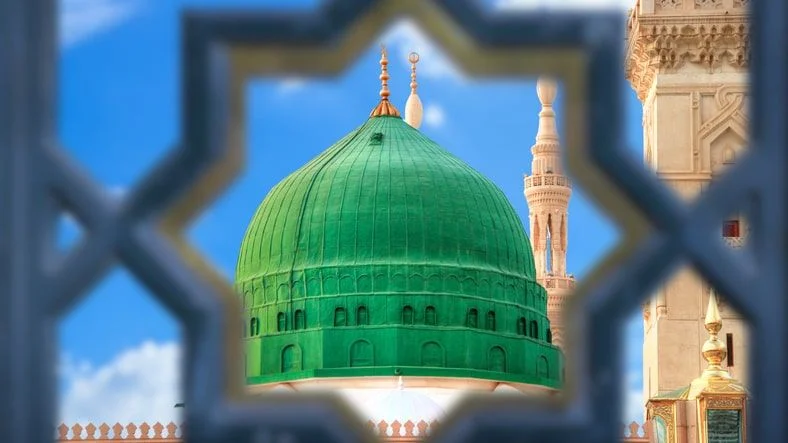
The pre-Hajj phase, which began on April 14, saw more than 46,000 Pakistani pilgrims arrive in Madinah ahead of the main pilgrimage rites. Officials said all of these pilgrims were facilitated in visiting Riaz-ul-Jannah, a spiritually significant area inside the Prophet’s Mosque, through digital monitoring systems and coordinated logistics.
Accommodation for elderly and vulnerable pilgrims was arranged in the Markaziya zone, placing them within close proximity to Masjid-e-Nabawi, which the minister described as a deliberate effort to ease the physical demands of the journey on those who needed it most.
Yousaf also credited pre-departure training conducted across Pakistan with improving pilgrim preparedness and discipline upon arrival in the Kingdom.
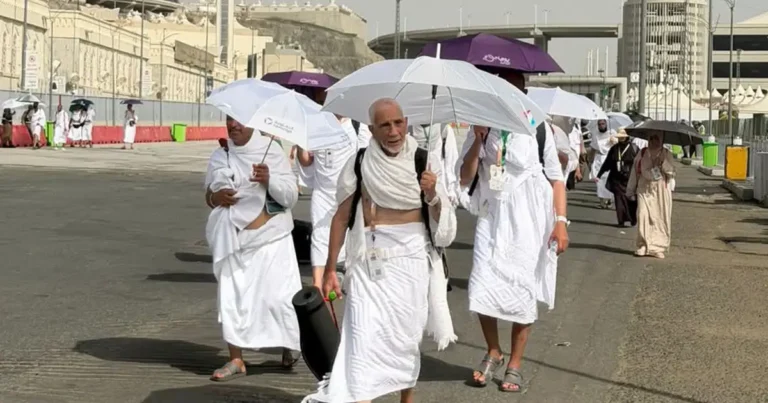
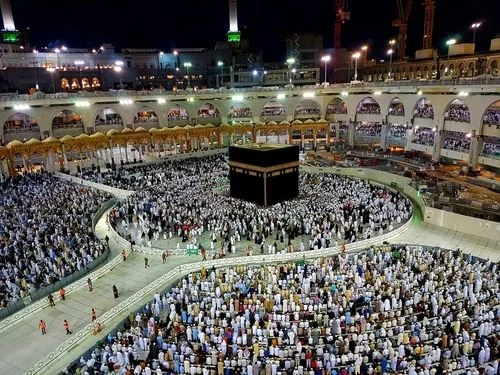
With the main Hajj rites now concluded, attention has shifted to moving tens of thousands of pilgrims from Makkah to Madinah ahead of their return flights. The minister confirmed that approximately 72,271 pilgrims are scheduled to make this journey during the post-Hajj phase, with more than 5,000 already having arrived in Madinah by the time of his announcement.
Post-Hajj Operations Underway
Arrangements for their visits to Roza-e-Rasool (PBUH) and prayers at Riaz-ul-Jannah are operating at capacity, the minister said, adding that flight scheduling back to Pakistan has been finalized and staff remain deployed throughout the city to assist pilgrims.
Looking Back, Looking Ahead
This year’s Hajj operation has been widely described by Pakistani officials as one of the smoothest in recent memory, with coordination between government bodies, the private sector, and Saudi authorities cited as a key factor.
For Pakistani families who have been waiting years for their loved ones to perform the pilgrimage, the news that the full quota was honoured and that pilgrims are now completing their journey in comfort will come as welcome reassurance. The awards, meanwhile, mark a significant moment for a country that has not always received recognition for its Hajj management at the international level.
The safe return of all pilgrims to Pakistan remains the final milestone of this year’s operation.