
Where Are Those Who Will Answer? Masjid ul Haram Friday Sermon 3 July 2026
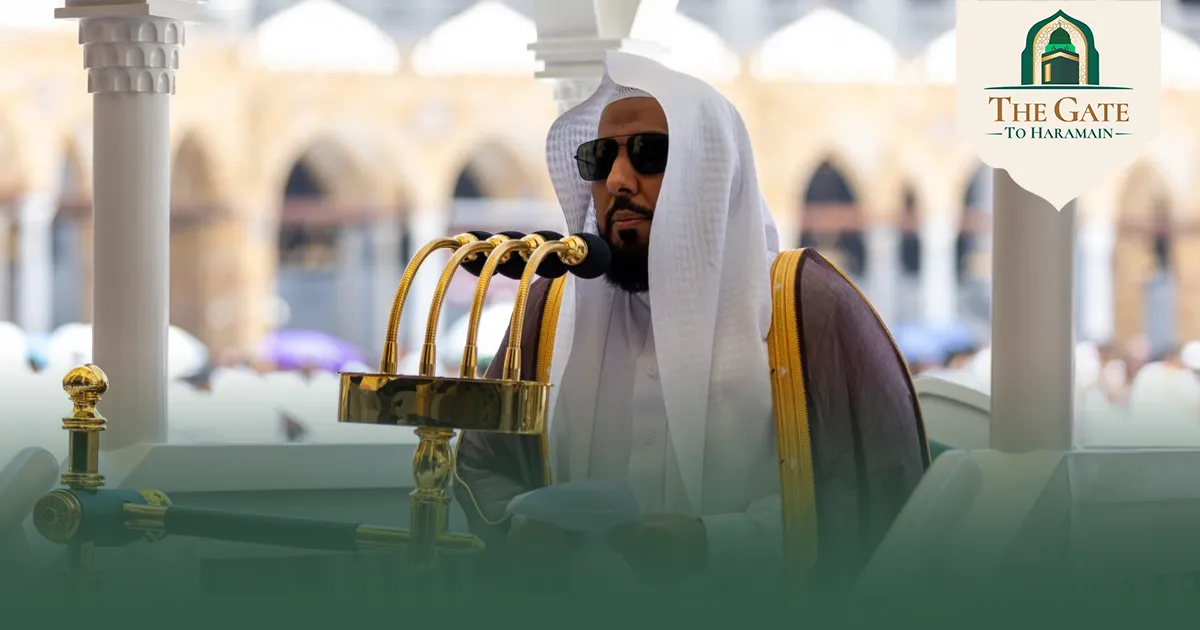
A Friday Reminder from the Grand Mosque — Sheikh Dr. Abdullah bin Awad Al-Juhani, 18 Jumada al-Ula 1448 AH
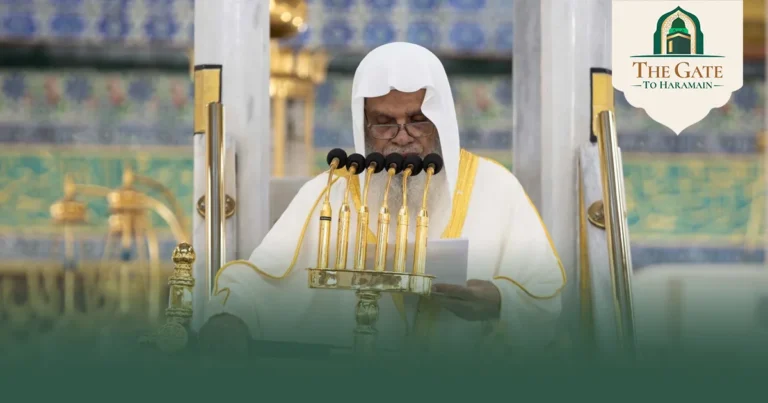
Every Friday, the khateeb at the Grand Mosque in Makkah stands before hundreds of thousands of worshippers and says something that’s meant to follow them home. This week, it was His Eminence Sheikh Dr. Abdullah bin Awad Al-Juhani, Imam and preacher of the Grand Mosque, and his reminder cut straight to the point: fear Allah. Be truthful in words, in deeds, in every circumstance. Hold yourself accountable before the Day of Reckoning arrives and holds you accountable instead.
He opened with an easy question to skim past and hard to actually sit with: “Allah has called you to Paradise, so where are those who will respond?” He has praised certain deeds and certain people throughout the Qur’an. So, where, the Sheikh asked, are those who actually go and do them?
The people he was describing aren’t abstract. They’re the ones who believe in Allah, in the Messenger ﷺ, and in everything he brought. They believe in righteous deeds not as a concept, but as a to-do list. They fear their Lord, genuinely apprehensive about how severe the reckoning will be. And that fear does something specific: it moves them to uphold what Allah has commanded them to uphold.
What does that look like in practice? The Sheikh laid it out:
- Patience in obedience is not the easy kind, the kind that means fighting your own soul
- Striving against desires that pull toward what’s forbidden
- Maintaining ties of kinship and family, even when it’s inconvenient
- Kindness to people with low incomes, to neighbors, to orphans
- Devotion to mothers and fathers
- Distance from evil and immorality
- Enjoining what is right, forbidding what is wrong
- Remembering Allah often — “for the remembrance of Allah is greater”
Imam Saadi, may Allah have mercy on him, read this ayah as something wider than any single item on that list. It isn’t just kindness to neighbors or patience in prayer. It’s belief in Allah and His Messenger ﷺ, loving them both, submitting to Allah alone in worship, and obeying the Messenger ﷺ without reservation. It’s honoring parents in word and in action, never disobeying them. It’s honoring relatives the same way. It’s giving spouses and friends their full due, not the minimum, the full amount, in matters of both faith and daily life.
Here’s the question the Imam-e-Kaaba kept returning to: what actually makes a person uphold all of this? His answer was fear and fear of Allah, and fear of standing before Him on the Day of Reckoning. That fear isn’t paralysis. It’s what stops a person from disobeying, from cutting corners, from telling themselves “later” one too many times. It runs on two engines at once: dread of punishment, hope for reward.
Then came the warning, and it’s the kind that’s easy to nod along to and hard to actually feel: don’t be among those who die with their record blackened by sin, having spent a lifetime deceived by false hope and endless postponement. If they had taken the reckoning seriously while they still had time, they would have prepared for it. Most people don’t get a second chance to start preparing.
So what does preparation actually look like? The advice Sheikh Abdullah Juhni was practical, almost blunt: remember Allah often, thank Him often, give generously in charity. Take something from this world and bank it for the next. Take care of your health while you’re well, because illness comes. Take from your free time while you have it, because work catches up with everyone. Take from wealth while you have it, because poverty doesn’t announce itself in advance. Take from security for the day fear arrives, and from joy for the day sorrow does, because nothing stays the same.
As Allah says in the Qur’an: “And such are the days which We alternate among people” (Surah Aal-e-Imran, 3:140).
Sheikh Abdullah bin Awad Al-Juhani closed by turning back to Allah, directly asking for help, guidance, success, and righteousness, because all of it, in the end, is in His hands. A servant’s job is simply to take the steps: supplicate often, seek forgiveness often, take refuge in Allah, and draw closer to Him through obedience to Him and His Messenger ﷺ.
Also read: “Be Mindful of Allah, and He Will Protect You” — Prophet’s Mosque Friday Sermon 3 July 2026