A Century of Unity: How Masjid al-Haram Unified Its Prayers in 1926
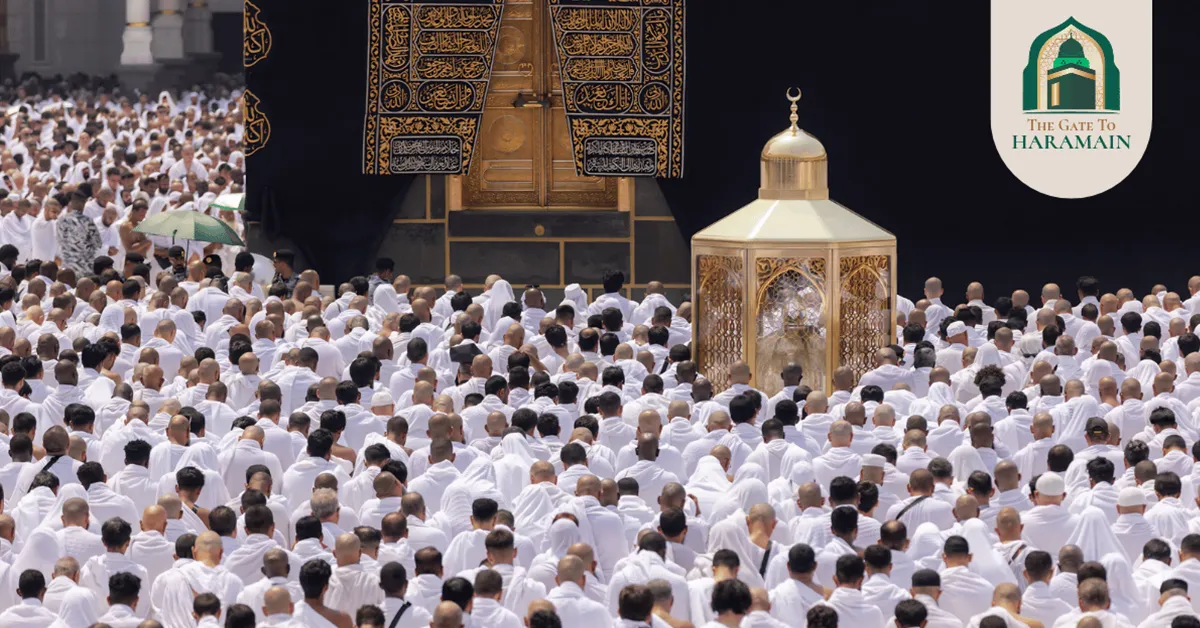
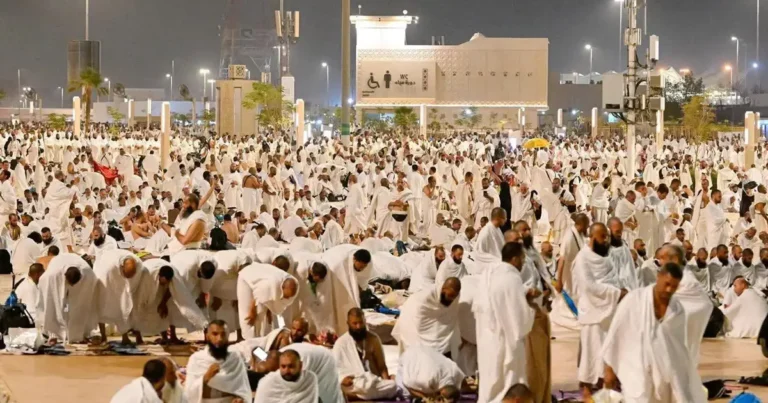
When millions of Muslims stand shoulder-to-shoulder in the courtyards and majestic halls of Masjid al-Haram today, they participate in a powerful tradition of unity. Millions of pilgrims from diverse backgrounds, cultures, and schools of jurisprudence stand behind a single imam for every obligatory prayer.
Yet, this seamless and inspiring scene has not always been the reality in Makkah. October 2026 marks a profound milestone: a full century since Masjid al-Haram transitioned to a single, unified congregational prayer system for each salah. The historic reform, enacted on October 27, 1926, by King Abdulaziz, transformed how the sacred sanctuary was worshiped and permanently reshaped the spiritual experience of the pilgrimage.
Understanding this history offers a fascinating glimpse into how Makkah accommodated a diverse global Muslim community for centuries before adopting the unified model we cherish today.
The Landscape Before 1926: Four Schools, Four Stations
To appreciate the significance of the 1926 reform, one must look back at how prayers were conducted inside Masjid al-Haram during earlier eras, particularly under Ottoman administration.
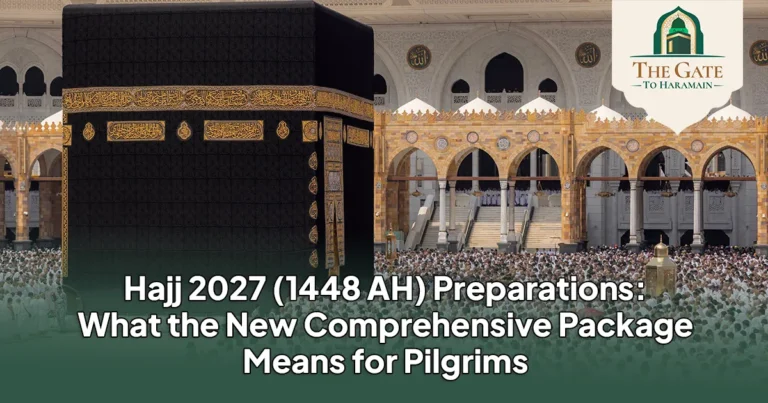
Before the reform, the Grand Mosque did not hold a single, unified congregation for each prayer time. Instead, worshippers associated with the four major Sunni legal schools of jurisprudence—the Shafi‘i, Hanafi, Maliki, and Hanbali madhhabs—prayed in separate designated areas, known as maqamat (stations). Each station had its own appointed imam.
Because each school held distinct views on the preferred timings for specific prayers, the same obligatory prayer was often repeated multiple times in succession. A worshipper would join the congregation of their specific school, while others waited for that prayer to conclude before beginning their own school’s congregation.
Traditional Prayer Stations in the Grand Mosque
| Madhhab (School) | Historical Prayer Station within Masjid al-Haram |
| Shafi‘i | Near Maqam Ibrahim and the upper area close to the Zamzam well |
| Maliki | Western side of the Kaaba |
| Hanbali | Southern side of the Kaaba |
| Hanafi | Northern side of the Kaaba |
The daily sequence varied depending on the prayer time and the specific legal rulings of each school. For example, during Fajr, the Shafi‘i congregation typically prayed first, followed in sequence by the Maliki, Hanbali, and Hanafi groups. For Dhuhr, ‘Asar, and ‘Isha’, the Maliki congregation often led the sequence, followed by the others. During shorter evening windows, the groups might pray closer together, but the multi-congregation structure remained distinct.
Why the Separate System Existed
This multi-station system was not born out of division but rather out of necessity and accommodation. Makkah has always been a bustling crossroads for Muslims from every corner of the globe. Over the centuries, large scholarly communities representing different legal traditions settled in the Hejaz.
Under the administrative frameworks of the time, maintaining separate stations allowed scholars and students from each madhhab to practice according to their respective legal traditions without administrative friction. However, as the global Muslim population grew and travel became more accessible, the repeating congregations created logistical challenges, crowded spaces, and physical fragmentation within the holiest site in Islam.
The 1926 Reform: Restoring Prophetic Simplicity
Recognizing the need for greater harmony, efficiency, and adherence to early prophetic traditions, King Abdulaziz consulted extensively with leading scholars from the Hejaz and Nejd. Following these consultations, a historic decree was issued on October 27, 1926.
The reform officially abolished the separate prayer stations and established a single congregation led by one imam for every obligatory prayer.
This change carried deep spiritual and practical significance:
- Elimination of Repetition: It stopped the practice of repeating the exact same obligatory prayer four separate times in succession.
- A Return to Early Tradition: Scholars and historians welcomed the change as a restoration of the model practiced by the Prophet Muhammad (peace be upon him) and his noble Companions, who stood in a single, united row behind one leader.
- Universal Brotherhood: It ensured that every pilgrim—regardless of whether they followed the Hanafi, Shafi‘i, Maliki, or Hanbali school—stood shoulder-to-shoulder in unified rows behind the same imam.
It is important to clarify that this centenary does not mark a single individual imam serving for 100 years. Rather, it celebrates a century of a unified institutional system that has allowed hundreds of millions of pilgrims to worship as one cohesive body.
Experiencing Unity Today
Standing in the immaculate rows of Masjid al-Haram today, listening to the serene recitation of the imam, and bowing in unison with millions of believers from every nationality is one of the most moving experiences a Muslim can have. This seamless harmony is a priceless blessing of modern Islamic heritage.
Frequently Asked Questions
Did the 1926 reform ban the four madhhabs in Makkah?
No. The reform did not abolish the study or practice of the four schools of Islamic jurisprudence. It only unified the congregational prayer structure within Masjid al-Haram so that all Muslims prayed together behind one imam, rather than holding separate, consecutive prayers for each school.
Who initiated the unification of prayers at Masjid al-Haram?
The reform was initiated by King Abdulaziz in October 1926 after consultations with prominent Islamic scholars from the Hejaz and Nejd regions.
Can a Muslim following any madhhab pray behind the imam at Masjid al-Haram today?
Yes. Muslims of any legal school (Hanafi, Shafi‘i, Maliki, Hanbali, or others) pray together behind the appointed imams of Masjid al-Haram in complete unity, just as Muslims have done for the past century.