Nobody Tells You About the Hard Part of Hajj — Coming Home

Hajj is not just a few days of worship. It is a complete overhaul of the self, or at least that’s the plan.
When Allah calls a servant to His House, that invitation means something. It is a signal that this person is ready. Ready to return changed. Ready to leave behind the version of themselves they carried into Makkah tul Mukarramah. The journey home is not the end of something. It is the beginning. And yet, quietly and without much drama, so many of us get back, unpack our bags, and slide into the same life we left.
So what is actually supposed to change?
The prayer you kept in Makkah, and lost at home
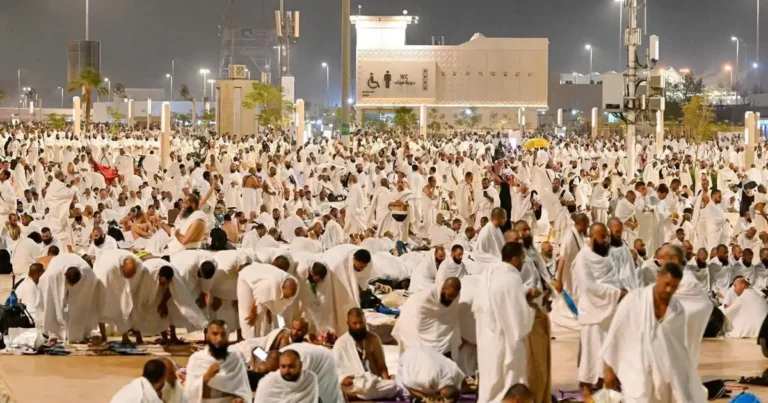
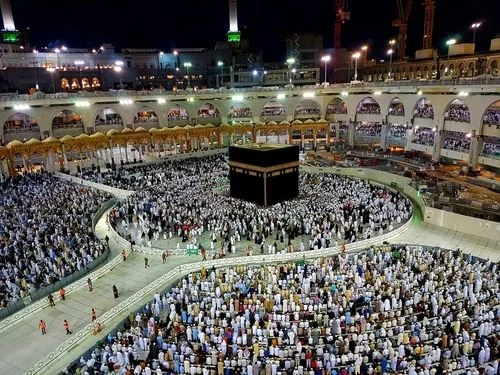
Let’s be honest about something: a lot of people’s relationship with Namaz gets repaired during Hajj and quietly breaks again within a few weeks of returning from the Hajj. Five prayers a day felt almost effortless in Makkah and Madinah, millions of people moving to the same rhythm, the adhan coming from every direction, the whole atmosphere pulling you toward God.
Back home, the alarm goes off for Fajr, and it’s a different calculation entirely.
But this is the test. The real measure of Hajj is not whether you prayed at the Kaaba. It is whether you still prayed on time six months later, alone in your room, when no one was around to notice. That is where the Hajj either held or it didn’t.
Guard the prayers and character you built in Makkah as a way to nurture hope and a sense of ongoing spiritual growth, not just obligation.
The clean slate, and what you do with it
One of the most extraordinary things about Hajj is what the Prophet (PBUH) promised about it: that whoever performs it without obscenity or wrongdoing returns as clean as the day they were born.
That is not a small thing. That is a huge thing.
Which makes what comes next matter enormously, too. Bringing the old life back into the picture after that, the bad language, the wrong company, the habits you knew were wrong before you left, is not a catastrophic moral failure. It is something quieter and more insidious than that. It is ingratitude that happens in slow motion. A missed prayer here. A familiar sin there. And gradually, the clarity of Makkah starts to feel like something that happened to a slightly different person.
You don’t need to be perfect. Nobody is. But consistency in small good things is worth more than grand spiritual gestures you cannot maintain.
What Hajj teaches about other people
Hajj does something to you that is genuinely hard to replicate anywhere else. You stand alongside millions of people from countries you’ve never visited, speaking languages you don’t understand, with lives you can’t imagine. You are all facing the same direction, wanting the same thing from the same God.
That should change how you see people when you come home.
It should make you more patient with your parents. More forgiving toward the family you’ve been avoiding. More generous to neighbors you’ve never really known. The Quran returns again and again to the rights people have over each other, not just the obligations we have toward God. Hajj, if it worked the way it was meant to, should have made those feel less abstract.
Mend what is broken. Don’t wait for the other person to go first.
Money, livelihood, and the things we ignore
A returning Hajji who gets serious about prayer, forgiveness, and character but never examines their livelihood has skipped something important.
Where the money comes from matters. How it is earned matters. The Quran and the Prophet (PBUH) are not ambiguous about this. An accepted worship and an income that involves what is clearly forbidden do not sit comfortably together for long.
This is not meant to produce guilt. Most people are not doing anything dramatically wrong. But there are gray areas many of us prefer not to look at too closely, commissions, contracts, dealings that are technically fine but feel slightly off after Hajj is a good time to look.
What you let into your home now
Here is something that rarely makes it into the post-Hajj advice columns but probably should: the biggest threats to whatever you brought back from Makkah are likely sitting on your phone.
The content you scroll through late at night. The group chats that turn vicious. The entertainment built around things Islamic is clear about discouragement. None of these is individually dramatic. But they work on you slowly, the way water works on stone. And six months later, you look up and whatever you felt at Arafat is very far away.
Be intentional about it. For example, set a daily reminder for prayer or reflection to protect something real that costs you real effort.
Don’t keep it to yourself.
A Hajji who comes back and keeps entirely to themselves has missed part of what the experience was for.
Share what you saw and felt at Arafat and during Tawaf to foster connection and reassurance, reminding the audience they are not alone in this journey.
Give in charity, because nothing Hajj taught you makes much sense unless it loosens your grip on your money a little. Treat the person who serves you, your driver, your housekeeper, the junior staff at your office, with the dignity you extended to the stranger next to you during Tawaf. That stranger was your equal in Makkah. The people around you now are too.
This is where it actually starts.
Allah calls whom He wills to His House. If he called you, that means something. Don’t waste it by treating Hajj as the finish line.
Life after Hajj is supposed to look a little different. Not unrecognizable. Not saintly. Just different, quieter in some places, more honest, more rooted. Less anxious about the wrong things.
You weren’t made perfect in Makkah. But you were given a chance to begin again, with a clean slate and some clarity about what matters. That is rare. Most people never get it.
Do something with it.