
Hajj 2027: Pakistan Takes Medical Certificate Submission Online — What Every Pilgrim Needs to Know
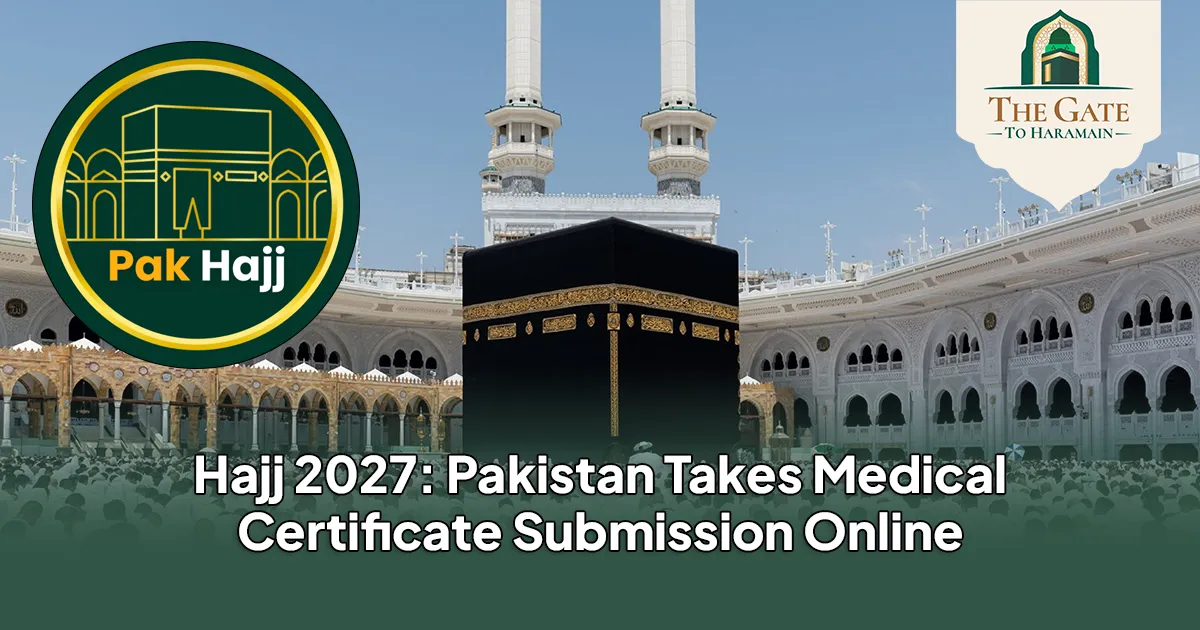
Pakistan just removed one more trip to a government office from the Hajj 2027 checklist.
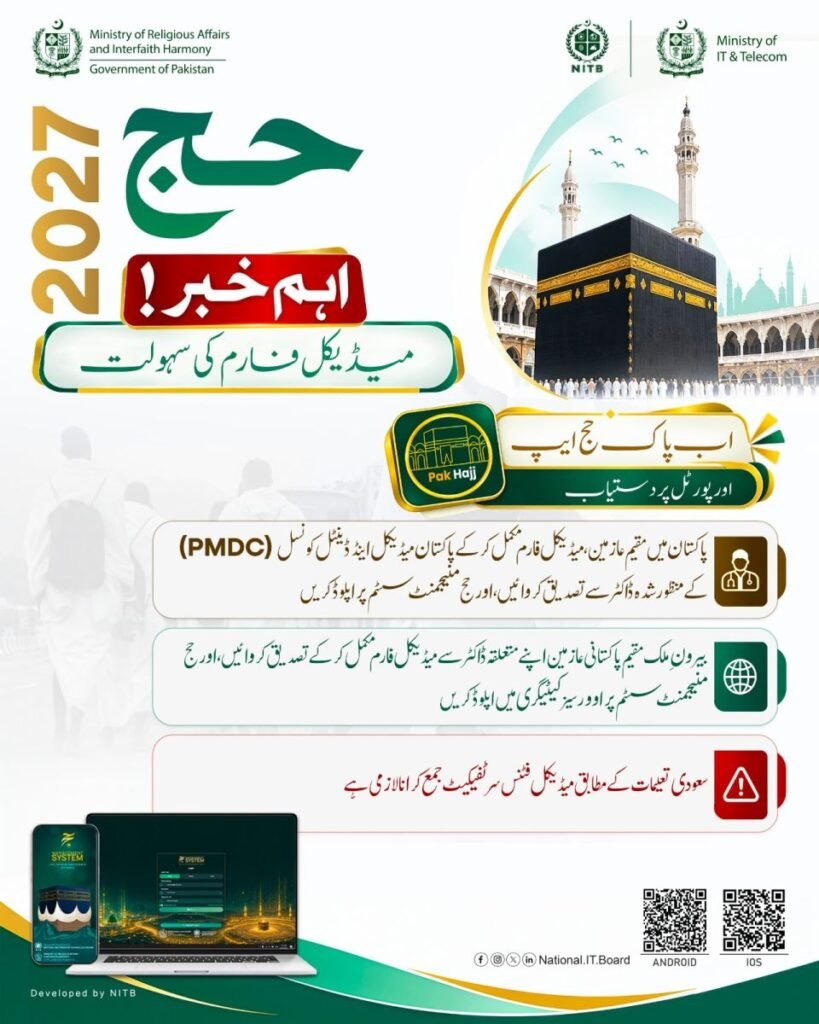
The Ministry of Religious Affairs, working with the National Information Technology Board, has moved medical fitness certification onto the Pak Hajj app and portal. Pilgrims no longer need to physically submit paperwork — the certificate itself now travels digitally through the Hajj Management System.
Here’s the catch: the process still runs through a doctor. Nothing about that has changed, and nothing should. What’s changed is what happens after the checkup.
How it works
Pilgrims download the prescribed medical form, get it filled out and signed by a doctor registered with the Pakistan Medical and Dental Council, then upload the completed certificate through the Hajj Management System. That’s it on the domestic end.
Overseas Pakistanis follow a parallel track. Their form needs sign-off from a doctor in their country of residence, and they submit it under the Overseas Category on the same online system — no need to route anything through Pakistan first.
This isn’t optional paperwork. Saudi Arabia requires a medical fitness certificate from every pilgrim before travel, full stop. Officials are urging pilgrims to get this done early rather than waiting until closer to departure, when clinic backlogs and portal traffic tend to pile up.
Why this matters more than it might seem
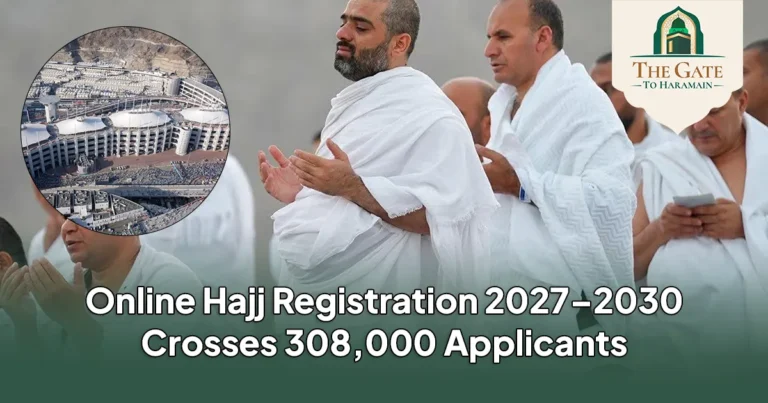
This single change sits inside something bigger: Pakistan’s first-ever four-year Hajj framework, covering 2027 through 2030. Past years meant registering fresh every single season. That’s gone now — pilgrims register once, and the policy carries them through multiple Hajj cycles, at least in principle.
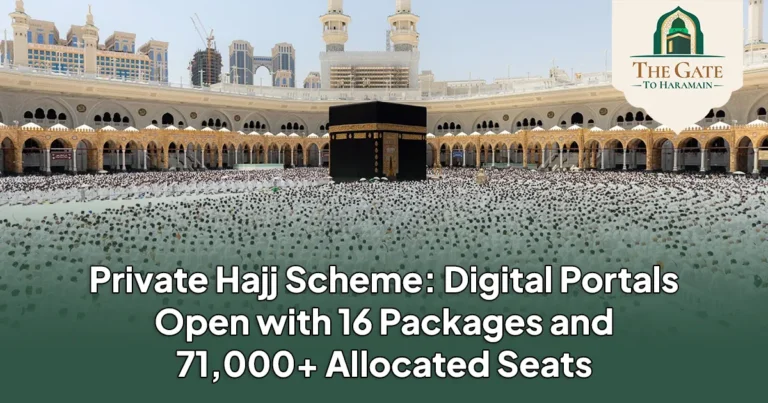
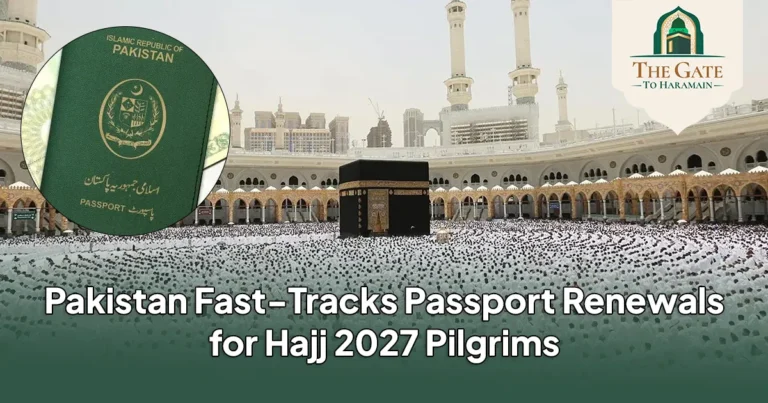
Saudi Arabia has allocated Pakistan 179,210 Hajj slots for 2027 — 107,526 through the government scheme, 71,684 through private operators. Private applicants have until November 20 to select and pay for their package; miss it, and the ministry has said it can reallocate those seats. Passports, meanwhile, need to stay valid through at least November 16, 2027 — worth checking now, not in March.
One more thing families planning should know: Saudi Arabia’s Ministry of Hajj and Umrah runs its own separate health clearance requirement through the Nusuk platform. Pakistan’s PMDC certificate satisfies the domestic step, but it’s not automatically the same document Saudi authorities check on arrival. Families should confirm both are in order rather than assuming one covers the other.
For pilgrims and families right now
If you’re intending for Hajj 2027, the medical step is one you can knock out early and stop thinking about. Book the PMDC-registered doctor, get the form completed the first time properly — incomplete forms are the most common reason uploads get kicked back — and keep a copy for your own records alongside your registration documents.
The Pak Hajj app is now doing more than just tracking your application. It’s becoming the single place where registration, medical clearance, and package selection all live. Pilgrims who get comfortable with it early tend to have an easier season than those who show up to it in the final weeks.