
How Saudi Arabia Turned Hajj Into a National Systems Machine
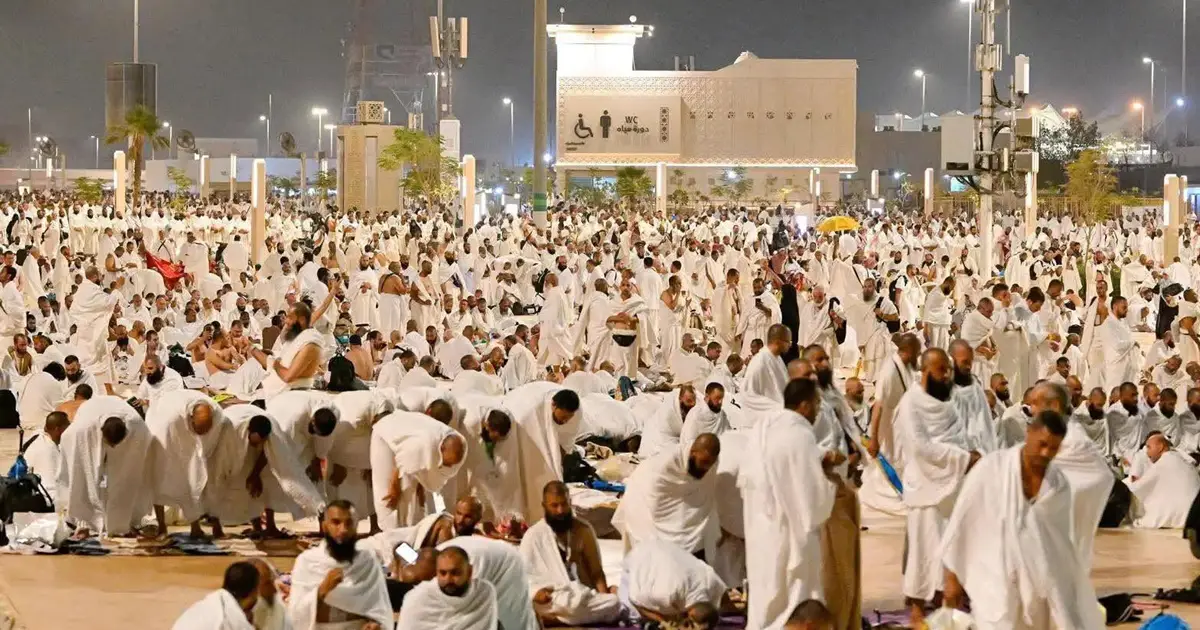
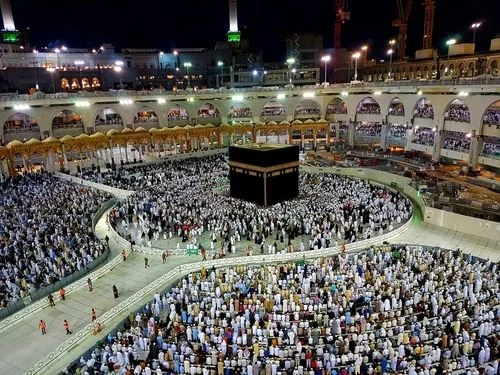
When viewed from the outside, as a Pakistani Pilgrim, the Hajj season is often measured by the number of pilgrims who perform their rituals with ease and safety. However, when viewed from a strategic perspective, the picture becomes much deeper. The Hajj is no longer merely a religious season managed with high efficiency by the Saudi Arabian government. It has now become an advanced national model for managing massive and complex systems where aviation, transportation, security, health, logistics, and technology intersect under unified leadership and a shared vision.
One of the most significant transformations the Kingdom of Saudi Arabia has witnessed in recent years is the shift from the concept of managing the Hajj season to the concept of building a comprehensive Hajj system. The difference between the two concepts is substantial. Managing the season means dealing with recurring annual challenges, while building a comprehensive system means developing sustainable institutional capabilities that accumulate experience year after year and become more efficient with each new season.
Projects like the “Makkah Route” and “Hajj Without Luggage” clearly demonstrate this change, as they are not just about creating a better travel experience for the pilgrim, but about reimagining the whole process of traveling itself. This is an advanced management philosophy that addresses challenges before they occur, rather than dealing with them afterward.
From a civil aviation perspective, Hajj represents the world’s largest live operational laboratory. Within a limited timeframe, flights from dozens of countries flow through a vast network of airports, airlines, ground service providers, and government agencies. Successfully managing this system reflects not only the efficiency of the Hajj sector but also the maturity of the entire Saudi air transport system.
Remarkably, developments to serve Hajj do not remain confined to the season itself. Investments in airports, digitalization, data management, logistics, and enhancing the passenger experience subsequently become national assets that serve the Saudi economy year-round. Therefore, Hajj can be viewed as a strategic driver for the development of the civil aviation sector, not merely a beneficiary of its services.
In light of the KSA’s Vision 2030 objectives, an even greater opportunity emerges: transforming Saudi Arabia’s accumulated expertise in Hajj management into a global competitive advantage. Today, the Kingdom of Saudi Arab has possesses not only advanced infrastructure but also unique operational knowledge in managing massive crowds, supply chains, logistics, and the passenger experience. This knowledge has become a national asset upon which to build and maximize its economic and strategic impact.
The success of the Hajj also offers a valuable lesson in the concept of institutional integration. The performance of a single entity cannot solve major challenges, no matter how efficient, but rather by the ability of the entire system to work towards a common goal. This is clearly evident in the harmonious relationship between the various entities involved in serving the pilgrims, where multiple roles are transformed into a single, integrated experience felt by the pilgrim from their departure until their return.
The true achievement of Hajj 1447 lies not only in the success of another season but also in the Saudi Arabia’s ability to establish a world-class administrative and operational model that is constantly evolving and preparing itself to meet future demands. Every successful Hajj season does not end with the completion of the rituals, but rather marks the beginning of a new season of learning, development, and innovation.
As a result, Hajj is not just a seasonal success story but has turned into a national role model for change management. It is an example of how, with a clear vision, good leadership, organizational embedding, and technology investment, a very complex operational problem can be turned into a viable system that performs outstandingly every year.
Hence, the true value of Hajj lies not only in serving millions of pilgrims but also in building advanced national capabilities in operations, logistics, crowd management, and institutional integration. These capabilities have become a strategic asset for the Saudi Arabia, and a practical example confirming that the great Saudi Arabia not only manages the world’s largest recurring human gathering, but also develops an advanced model for governance, operations, and the management of large systems, which can be built upon in many other national sectors.