Seeking Forgiveness as the Habit of the Prophets: Masjid An Nabawi Friday Sermon 20 Nov 2026 (10 Jumada al-Akhirah 1448 AH)
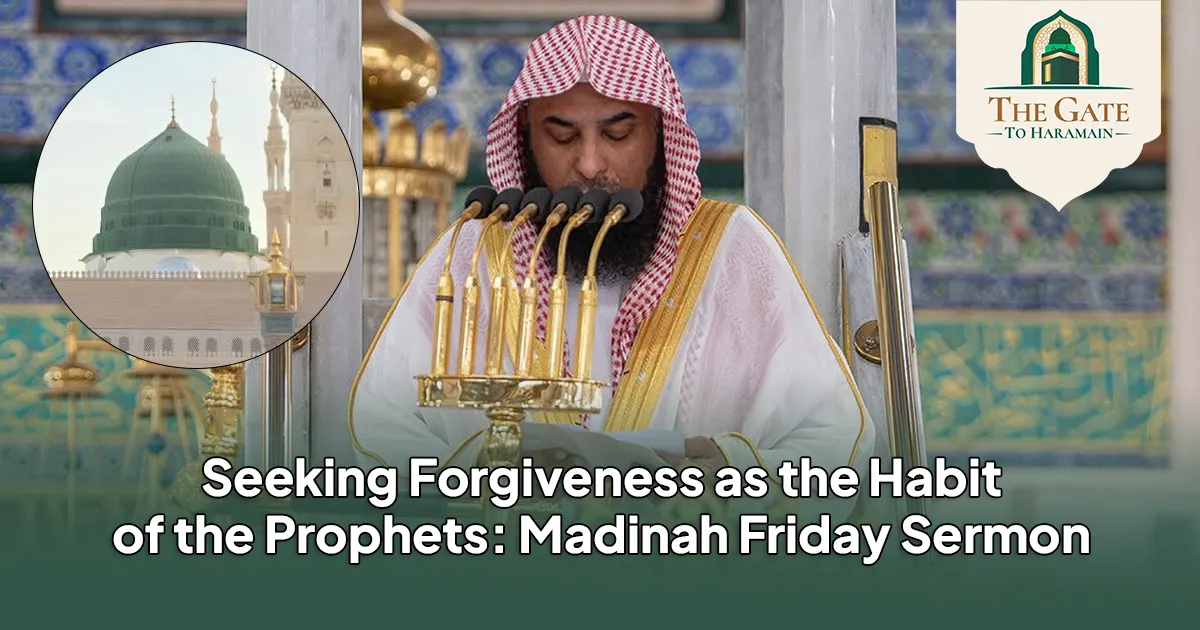
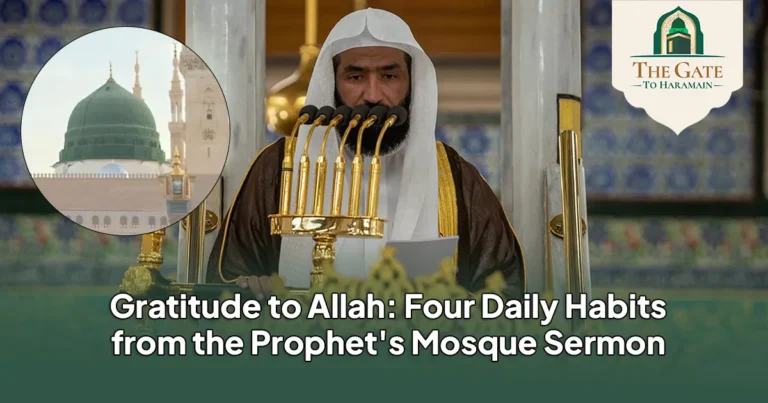
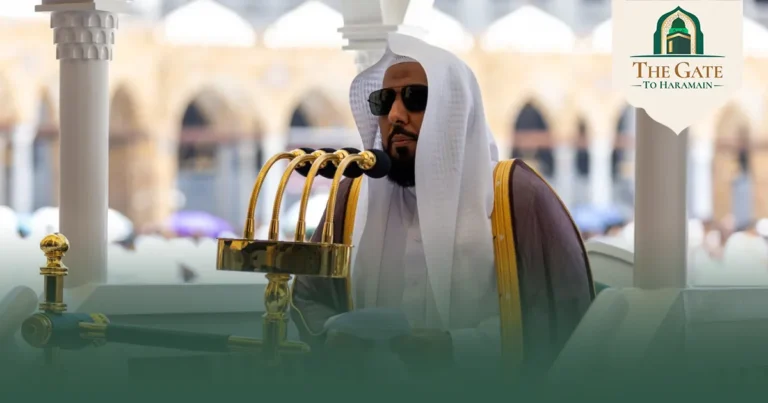
Real guidance is not measured by how few mistakes a person makes. It shows in how quickly they notice them. That was the core message of the Friday sermon at the Prophet’s Mosque in Madinah on 10 Jumada al-Akhirah 1448 AH, delivered by Sheikh Salah Al-Budair. He urged worshippers to regret their slips, leave wrongdoing behind, and turn back to Allah through istighfar, the sincere request for forgiveness.
The imam tied this to taqwa, the God-consciousness that the Quran links to Allah’s closeness to the mindful. Seeking forgiveness, he said, is not a side ritual. It is a lifelong practice that the prophets themselves kept.
The Prophet’s Daily Habit
To make the point, he pointed to the Prophet’s own practice. Abu Hurairah reported that the Prophet sought forgiveness more than seventy times in a single day, and another narration puts the number at one hundred. The imam said this steady return to God came from a man who had already been promised forgiveness for his past and future faults, which made it a sign of servanthood.
He also recited the Master Supplication for Forgiveness, narrated by Shaddad ibn Aws. It pairs an acknowledgement of Allah’s favours with an open confession of one’s own sin.
The Worldly Fruits of Asking Forgiveness
Istighfar, the imam explained, brings sustenance and blessings, strengthens faith, eases distress, and increases wealth and children. He grounded this in the words of Prophet Nuh to his people, who were told that seeking forgiveness would bring rain, wealth, gardens, and rivers.
He then gave two historical examples. When Umar ibn al-Khattab led people out to pray for rain during a drought, he did nothing but ask for forgiveness. When people asked why he had not prayed for rain, he said he had sought it through the keys of the sky. Al-Hasan al-Basri gave the same advice to four men who complained of drought, poverty, childlessness, and a dried-up orchard: ask Allah for forgiveness.
A Shield Against Punishment and an Open Door for Sinners
The imam cited Surah al-Anfal, verse 33, which says Allah would not punish a people while they seek forgiveness. Scholars, he said, see two safeguards in that verse. The first, the Prophet’s presence among his people, has ended. The second, the ongoing practice of istighfar, remains.
Speaking to those weighed down by guilt, he recited Surah az-Zumar, verse 53, telling sinners not to despair of Allah’s mercy. He also recounted a hadith qudsi from Anas ibn Malik in which Allah promises forgiveness that reaches as far as the clouds.
Sincere Repentance Versus Empty Words
In the second sermon, the imam warned against lip service. A person who asks forgiveness with the tongue while the heart stays attached to the sin, and who plans to return to it, has shut themselves off from divine guidance, he said. He cited the early scholar Abdullah ibn Shaqeeq, who called a person who keeps sinning while repeating that he hopes for forgiveness a liar.
On relapse, he drew on al-Hasan al-Basri. When someone felt ashamed to repent again after falling back into sin, al-Hasan replied that Satan wants nothing more than to wear you down, so never tire of seeking forgiveness. Ar-Rabi’ ibn Khuthaym offered a simple medical image: sins are the disease, istighfar is the medicine, and the cure is to repent and not return.
Prayers for the Nation and the Friday Prayer
The second sermon closed with prayers for Islam and Muslims, for the Custodian of the Two Holy Mosques and the Crown Prince, for the armed forces on the borders, and for the sick. The imam also prayed for an end to Houthi plots in Yemen and for Al-Aqsa Mosque to be freed from occupation. The Friday prayer was led with Surah al-Ala in the first unit and Surah al-Ghashiyah in the second.