Al-Sudais: Washing the Holy Kaaba Reflects the Kingdom’s Enduring Care for the Sacred House
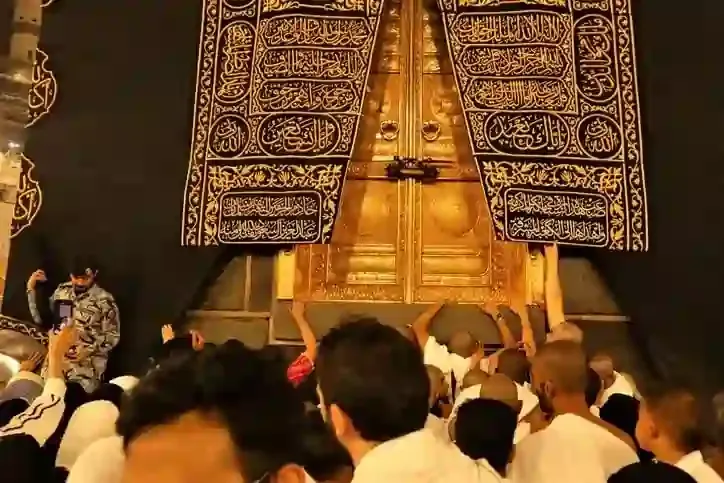
The washing of the Holy Kaaba is far more than a symbolic act. It is a moment that reflects reverence, purity, and deep responsibility toward the Sacred House of God.
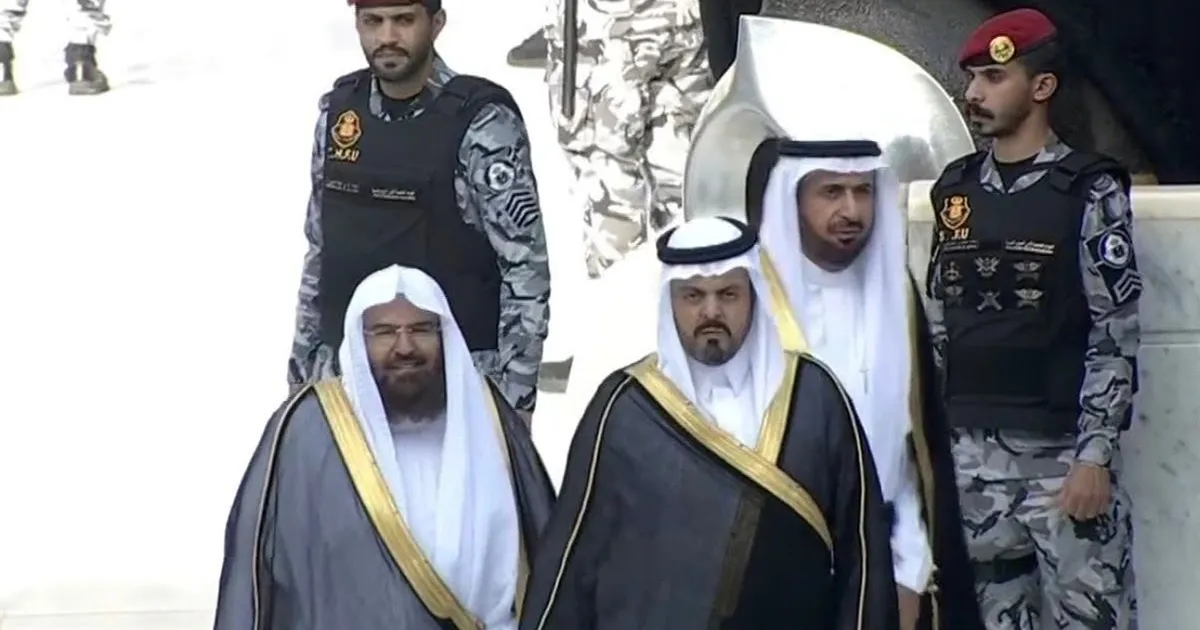
According to Sheikh Dr. Abdulrahman bin Abdulaziz Al-Sudais, the ritual embodies the Kingdom’s continuous care for the Holy Kaaba and its unwavering commitment to serving the Two Holy Mosques and all who visit them.
Al-Sudais, Head of Religious Affairs at the Grand Mosque and the Prophet’s Mosque, said the washing of the Holy Kaaba represents the Kingdom’s veneration of God’s rites and its dedication to preserving the sanctity of Islam’s holiest places. His remarks placed the ritual within a broader spiritual and religious framework, showing that it is not simply a ceremonial tradition, but an act linked to faith, honor, and service.
A Sacred Ritual With Deep Meaning
Al-Sudais explained that the Holy Kaaba is the heart of the Islamic nation and the Qibla toward which Muslims turn in prayer across the world. Because of that unique status, everything connected to the Ancient House derives its honor from its association with God Almighty.
He said the washing of the Kaaba is closely tied to profound faith-based meanings. It brings to mind the divine command to purify the Sacred House and recalls what the Prophet Muhammad, peace and blessings be upon him, did on the day of the conquest of Makkah when he purified the Kaaba and removed the manifestations of idolatry. That historic moment affirmed the message of monotheism and elevated the status of the Sacred House of God as a center of pure worship.
By linking the ritual to that legacy, Al-Sudais highlighted that the washing of the Holy Kaaba is not only physical in nature. It also carries a powerful spiritual message, reminding Muslims of sincerity, purification, and the honor attached to glorifying God’s sacred rites.
The Kingdom’s Ongoing Care for the Holy Kaaba
Al-Sudais affirmed that the washing of the Holy Kaaba reflects the Kingdom’s continuous care for the Sacred House of God. He said it also demonstrates the Kingdom’s keenness to serve the Two Holy Mosques and the millions of worshippers and visitors connected to them.
In his remarks, the act of washing the Kaaba emerged as a practical expression of stewardship. It reflects not only respect for the place itself, but also a broader commitment to preserving its sanctity and ensuring that service to the holy sites remains rooted in reverence and responsibility.
This understanding gives the ritual significance beyond its outward appearance. It becomes a visible reminder of the immense trust associated with caring for one of the most sacred places in Islam and of the duty to honor that trust with sincerity and devotion.
Also read: Kaaba’s Annual Ghusl Ceremony Set for 15 Muharram 1448 AH (30 June 2026)
More Than Ceremony
Sheikh Abdul Rahman Al-Sudais stressed that serving the Holy Kaaba should never be viewed as a mere ceremonial appearance. Rather, he described it as a great honor and a practical embodiment of glorifying God’s rites.
He said the ritual sends clear messages of purity and purification, reflecting the greatness and sanctity of the place. In that sense, the washing of the Kaaba is not simply an event to be observed. It is a reminder of the sacredness of the House of God and of the spiritual responsibilities tied to its service.
That distinction is central to understanding the significance of the occasion. The value of the ritual lies not in its visibility alone, but in what it represents: reverence for the Sacred House, appreciation for its status in the hearts of Muslims, and an awareness of the divine trust connected to serving it.
A Wider Religious Mission
Kaaba Imam Sheikh Al-Sudais also pointed to the wider role undertaken by the Presidency of Religious Affairs at the Grand Mosque and the Prophet’s Mosque. He said the institution carries a legitimate and global mission that includes spreading the guidance of the Two Holy Mosques, enriching the religious experience of visitors, and connecting Muslims to the purposes and meanings of Islamic rituals.
That mission, he noted, also includes promoting the message of the Grand Mosque and the Prophet’s Mosque in a way that reflects moderation and balance. Within that framework, the washing of the Holy Kaaba becomes part of a larger effort to strengthen the spiritual connection between Muslims and their holiest sites, while helping visitors better understand the deeper meanings of worship and sacred tradition.
The ritual therefore carries both symbolic and educational value. It preserves a respected practice while also serving as a reminder of the spiritual principles that stand behind it: purity, devotion, reverence, and the glorification of God’s commands.
A Message of Purity, Honor, and Responsibility
At its core, Al-Sudais’s message was clear: washing the Holy Kaaba reflects the sanctity of the place, the honor of serving it, and the Kingdom’s ongoing care for the Sacred House of God. It is a ritual filled with meaning, one that points back to the legacy of purification established in Islamic history and forward to a continued commitment to serving the Two Holy Mosques and their visitors.
As Muslims around the world look toward the Kaaba as their Qibla, moments like this carry significance far beyond Makkah itself. They reaffirm the central place of the Sacred House in the life of the Ummah and remind believers that honoring God’s rites is both a spiritual responsibility and a sign of sincere devotion.